LIXIL makes pioneering water and housing products that solve everyday, real-life challenges, making better homes a reality for everyone, everywhere.
Global(EN)
- Global Site
-
- English
- Japanese
- Brand Sites
RESET
Global
- Global Site
-
- English
- Japanese
- Brand Sites
Impact through Global Partnerships
SHARE


- Last Updated:


Approach
To maximize its social impact, LIXIL is expanding its indirect impact to sanitation and hygiene through ecosystem building. Collaborating with a network of partners, LIXIL drives system-strengthening initiatives such as policy reform and advocacy, skilled labor development for masons and plumbers, awareness campaigns, and the creation and growth of local markets. Through partnerships with leading organizations and institutions in Japan and globally, LIXIL is working to deliver sustainable improvements in sanitation and hygiene to a further 100 million people directly and indirectly by FYE2031.
Learn more about Global Sanitation & Hygiene Strategy >
Learn more about SATO and LPP >
Building Local Capacity for Sustainable Sanitation Economies
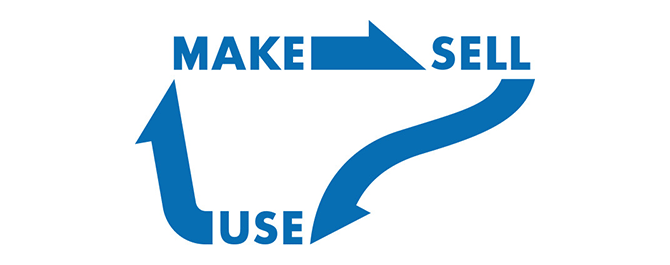
Beyond product innovation, LIXIL collaborates with local manufacturers, distributors and non-governmental organizations (NGOs) to bolster regional production and distribution capacities, amplifying the reach and impact of SATO products. Our Make-Sell-Use business model is designed to create sustainable local sanitation economies by fostering entrepreneurship, creating jobs, and facilitating continuous local sanitation and hygiene improvements.
A critical component of this model is the training of local masons and plumbers who install SATO toilets. To date, over 27,600 individuals, including women and young people from India, Uganda, Nigeria, Tanzania, and other countries, have participated in our complimentary training programs, developed in partnership with NGOs and international organizations. These initiatives not only elevate toilet installation skills and individual incomes but also drive demand for local masons and retailers.
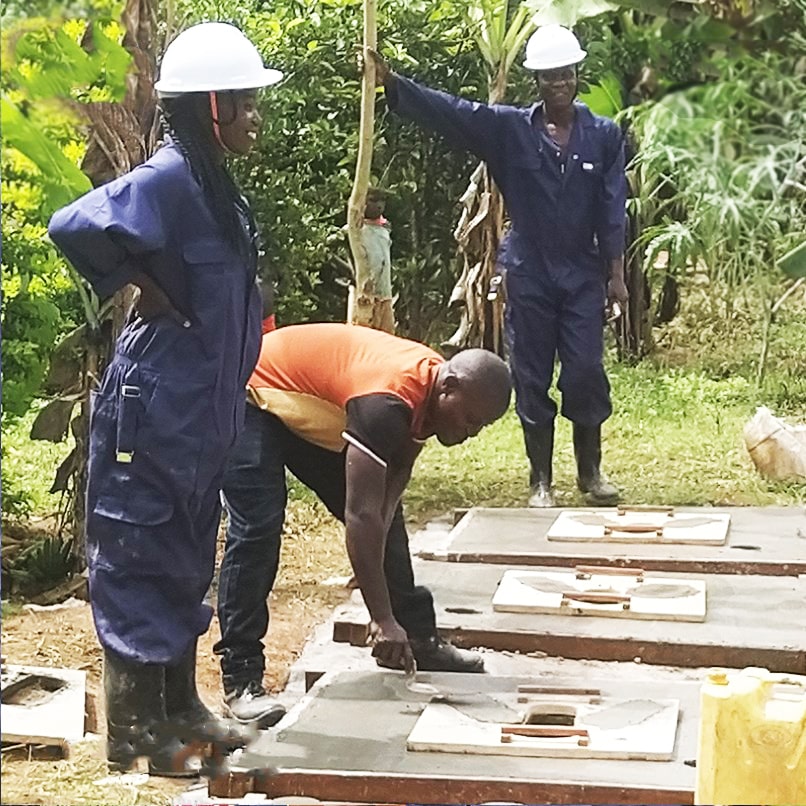
A training session in Uganda
Raising Awareness for Improved Sanitation and Hygiene Solutions
SATO Loyalty Program in India
LIXIL is working on building a sanitation ecosystem in every country where SATO is present. As part of this effort, we launched, for the first time in India, a loyalty program for plumbers, masons and other concrete ring makers, leveraging one of the nation’s largest digital payment platforms. Through this program, local influencers use the digital platform to gain points as they buy and install SATO products. The program aims to build a strong and loyal partner base while strengthening SATO’s presence in the market. In the first eight months of its launch, we registered over 1,100 masons across five states, with 26% of them actively participating and earning points that can be exchanged for goods.
Through this loyalty program, we have engaged with the last mile influencers and built long-term relationships with them. These initiatives have contributed not only to overall sales growth but also to enhancing the brand image.
Improving School Sanitation and Hygiene
Our School Toilet Enhancement Program (STEP) is dedicated to improving toilet facilities within African and Asian schools, with the aim of helping to reduce health risks associated with inadequate sanitation and fostering awareness of sanitation and hygiene practices among students, parents, and neighboring communities.
We also collaborate with a wide range of stakeholders to improve sanitation and hygiene in schools across various regions.
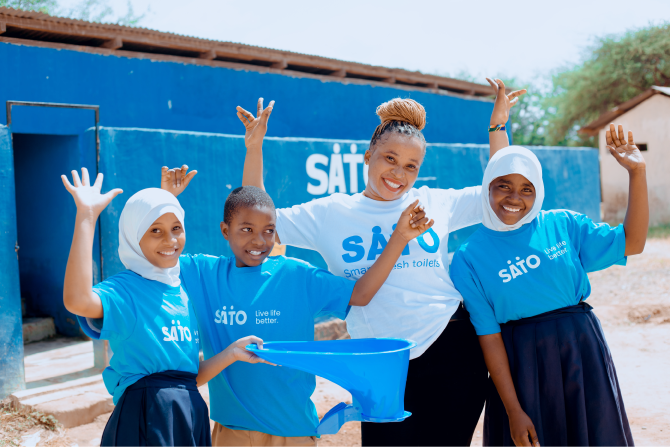
School Toilet Enhancement Program (STEP)
- In Rwanda, partnering with UNICEF and NCDA, by the end of FYE2026, we had supplied 10,000 SATO products to home-based Early Childhood Development centers in 15 districts, which has been benefitting over 194,568 children and families. Furthermore, in collaboration with Water for People and the Isoko y’Ubuzima project, 1,400 SATO Pans had been installed in Rulindo District schools by the end of FYE2026.
- In Kenya, leveraging a cause-related marketing (CRM) campaign in Japan, we have expanded our cumulative reach to benefit over 60,242 students at 207 schools over three years, by the end of FYE2026.
- In Bangladesh, partnering with the RFL Group, we implemented a school handwashing project, distributing 19,684 SATO Taps to four non-profit schools established by the RFL. Combined with an additional 316 units distributed to healthcare facilities, this initiative has enhanced sanitation and hygiene for approximately 2.04 million individuals.
Moving forward, we will continue to scale these initiatives by strengthening public-private partnerships, providing inclusive toilets and handwashing facilities while delivering sanitation and hygiene solutions for all.
Upgrading School Hygiene Infrastructure and Deploying the SATO Tap in the Philippines
Under the Department of Education’s (DepEd) WASH in Schools (WinS) policy, establishing proper handwashing environments is essential for safeguarding student health and promoting school attendance, yet many schools across the Philippines have faced persistent challenges with limited water access and a lack of water outlets.
In FYE2023, a pilot study conducted by GIZ demonstrated that the SATO Tap saves 91% more water compared to conventional taps, receiving high praise from students for its ease of use. Building on these outcomes, in FYE2026, LIXIL, in collaboration with GIZ and DepEd, launched a large-scale initiative to upgrade school hygiene infrastructure. Currently, the program is driving the deployment and installation of 11,740 SATO Tap units across 587 schools in Luzon and the Visayas.

Students using the SATO Tap to foster and routinize proper handwashing practices.
This partnership represents a formal commitment to helping participating schools achieve a "1-Star" toward the 3-star approach WinS rating, which recognizes the establishment of essential daily handwashing routines. Moving beyond simple product provision, this initiative establishes an environment that empowers tens of thousands of students to develop proper daily handwashing habits, contributing to the health, dignity, and the realization of a quality education for Filipino children.
Fostering Cross-sector Partnerships
Improving sanitation and hygiene is not something we can achieve alone. It requires collaboration with influential international organizations, government agencies, specialized institutions, NGOs, and business partners with water and sanitation expertise. We are dedicated to creating products tailored to local needs, building local production facilities and sales hubs, and fostering skill development. We are equally committed to creating demand for improved sanitation and hygiene solutions through robust sales promotion and awareness-raising activities.
In particular, collaboration with key partners like UNICEF, which engage with industry groups and government agencies in various countries, is vital. Engaging with government agencies and other authorities is necessary to shape policies that ensure the benefits of sanitation and hygiene improvements directly reach local communities. Collaborating with a network of partners, we leverage our position as a market leader in water technology to contribute to decision-making that resolves local and global sanitation challenges through policy reform and advocacy. By building constructive relationships with relevant authorities and other key stakeholders, we leverage our influence to prioritize sanitation and hygiene initiatives and drive positive policy developments.
LIXIL has also established a new goal of improving sanitation and hygiene for a further 100 million people by FYE2031, helping to enhance quality of life around the world. Through strong partnerships, we will further accelerate our efforts toward achieving this goal.
United Nations Children's Fund (UNICEF)
The shared-value partnership “Make a Splash!” combines the strengths of LIXIL and UNICEF to accelerate efforts toward SDG Target 6.2: achieving access to adequate and equitable sanitation and hygiene for all and ending open defecation. This partnership has made a remarkable impact, reaching almost 20 million people across Ethiopia, Kenya, Tanzania, India, Indonesia, and Nigeria by the end of March 2026. The success of the initiative is anchored in its support for community-led total sanitation (CLTS) approaches and consumer demand activities, market supply strengthening, access to finance, and improving the enabling policy environment.
UNICEF does not endorse any company, brand, product or service.
We established the Make a Splash! shared-value partnership in 2018 and continue to leverage the expertise of both our company and UNICEF to accelerate progress toward SDG Target 6.2, building on the experience gained through the partnership to date.
Our commitment extends beyond the initiatives in these six countries with activities that engage end users, professional users such as building contractors, and LIXIL employees:

Children with the SATO toilets
- Cleanliness for All project: LIXIL donates a portion of sales from integrated shower toilets, Navish Hands-Free kitchen faucets, and other products. The campaign runs for three months every year (FYE2023 - FYE2026: approx. JPY 84.3 million)*
- Make a Splash! with LIXIL Owners Club: LIXIL donates a set amount for each new LIXIL Owners Club member registration. The campaign runs for three months every year and includes awareness-building activities through our e-mail magazine. (FYE2021 - FYE2026: approx. JPY 8.9 million)
- Sanitation and Hygiene Action Project with Atsuto Uchida: LIXIL made a donation based on the number of interactions with video and social media content. (FYE2022: approx. JPY 700,000)
- Energy for Life Campaign targeting 13 countries in Europe: LIXIL donated a portion of the proceeds from each GROHE brand shower product sold. (FYE2022: approx. EUR 1.2 million)
- Donation Campaign for the Netherlands and Belgium: LIXIL donated in line with the GROHE brand shower product sales campaign. (FYE2021: approx. EUR 140,000)
- Team Splash Employee Donation Program: LIXIL employees donated through automatic payroll deductions. (FYE2019 - FYE2021: approx. JPY 17 million)
- Toilets for All project: LIXIL donated a portion of the proceeds from each integrated shower toilet unit sold. (FYE2020: approx. JPY 26 million)
* The total, including contributions from LIXIL, was set per unit at USD 1 for FYE2023, JPY 135 for FYE2024, JPY 150 for FYE2025, and JPY 160 for FYE2026. Donations were made to Kenya, a target country under the Make a Splash! partnership.
Learn more about Make a Splash! (Opens new window) >
Learn more about Cleanliness for All project (Japanese only, opens new window) >
Learn more about LIXIL Owners Club >
World Vision Japan
In partnership with the international NGO World Vision Japan, LIXIL implemented the “Creating the Future with Toilets Project” during FYE2026. Through this initiative, we collaborated with member companies of the LIXIL Housing Equipment and Tile Dealers Association in Japan, primarily distributors of LIXIL water-related products, to improve sanitation and hygiene in Indonesia and Bangladesh through donations from participating members. A total of 132 member companies participated in the project, raising JPY 19.1 million in donations. The gathered funds will be used to construct and renovate toilets at a total of 10 schools in Indonesia and Bangladesh, where access to adequate sanitation and hygiene remains limited, as well as to conduct awareness-raising activities on sanitation and hygiene practices.
FINISH Mondial Foundation
In FYE2023, LIXIL and FINISH Mondial (now FINISH Mondial Foundation) formalized a partnership that aims to address sanitation and hygiene challenges. FINISH is an organization that not only facilitates community and business access to financial services but also champions public-private partnerships, thereby accelerating the provision of toilets and other sanitation facilities. Together, our goal is to improve access to SATO's sanitation and hygiene solutions by integrating them with financial mechanisms such as loans, thereby improving the sanitation and hygiene environment in homes and promoting business growth within the sector.
Learn more about LIXIL’s partnership with FINISH Mondial Foundation (Opens new window) >
Peace Winds Japan
LIXIL collaborates with Peace Winds Japan, a Japanese non-profit organization, to advance sanitation and hygiene initiatives in Kenya. This collaboration focuses on community-driven and market-based sanitation and hygiene solutions. Peace Winds Japan has equipped the local communities with the necessary skills to become community champions, who in turn have trained refugees in reading and writing skills, financial literacy, and marketing strategies. The initiative has not only made a significant impact in combating open defecation but has also fostered a sustainable sanitation market and supply chain within the local communities. LIXIL partners to improve sanitation in Kenya's Kakuma Refugee Camp and Kalobeyei Integrated Settlement. By supporting twelve "Duka-Safi" sanitation shops run by 120 trained refugees, training local marketers and technicians, and offering SATO Pan/Stool products, LIXIL delivers affordable and sustainable, community-led sanitation solutions. These initiatives have improved the lives of 104,500 people to date and offer multiple benefits: building resilience against climate-related health risks, empowering entrepreneurship among refugees, fostering self-reliance, and minimizing environmental burden through eco-friendly products and practices.
Learn more about LIXIL’s partnership with Peace Winds Japan (Opens new window) >
Japan International Cooperation Agency (JICA)
In partnership with the Japan International Cooperation Agency (JICA), LIXIL is expanding its efforts beyond direct community engagement to raise awareness among government officials and the public, aiming to improve sanitation and hygiene and ensure access to safe water in the emerging markets of India and African nations. Together, we have conducted awareness-raising activities on handwashing and other sanitation and hygiene practices in India since FYE2021. Since FYE2023, we have also jointly held annual training programs for public health officials from Africa, focusing on global sanitation and hygiene challenges, which in FYE2026 welcomed participants from five countries. In June 2026, LIXIL and JICA signed a Memorandum of Understanding (MoU) on business collaboration and cooperation to help address water and sanitation challenges in emerging markets. Under this partnership, we will initially deploy operations across Kenya and Malawi, promoting access to safe toilets and handwashing facilities while also conducting awareness-raising activities to establish sanitation and hygiene practices. Going beyond traditional assistance, we aim to foster sustainable market creation by developing local talent responsible for product sales, installation, and maintenance and by building local supply chains. This approach is underpinned by the concept of a Sanitation Economy, where sanitation services and products operate within a self-sustaining cycle at the local level. By building sustainable business models and ecosystems for sanitation and hygiene markets, we aim to create local employment and business opportunities, ultimately contributing to improved public health and quality of life.
Building an Ecosystem with NGOs and Other Diverse Partners
Our collaboration with multiple NGOs like iDE in Bangladesh and Water for People in Africa is a testament to our strategic approach to ensure access to improved sanitation and hygiene solutions. We are also building a broader ecosystem by engaging diverse stakeholders, including government agencies, businesses, and foundations. Key initiatives include our public-private partnership with the African Christian Health Associations Platform (ACHAP) in Nigeria and Tanzania and our collaboration with the Indonesian government agency Badan Percepatan Pengentasan Kemiskinan (National Poverty Alleviation Acceleration Agency), facilitated through Aqualon. By bringing together policy, institutional support, financing, technology, distribution networks, and public awareness initiatives, these partnerships enable us to address social challenges at a scale and speed that would be impossible to achieve through individual efforts alone.
Through these collaborations, LIXIL goes beyond the development of SATO products; we actively participate in designing systems that support continuous product use, thereby establishing a value chain for sustainable adoption. This framework not only improves sanitation and hygiene but also delivers long-term sanitation and hygiene solutions by stimulating local employment and business opportunities. Moreover, these partnerships are crucial for engaging with local governments and supporting policies that promote sanitation solutions, as well as for gathering valuable feedback for product development. Through this continuous feedback loop, LIXIL remains highly responsive to evolving market needs, delivering sanitation and hygiene solutions that improve the quality of life of local communities.
Taking a Leading Role in Global Initiatives
Toilet Board Coalition (TBC)
LIXIL's engagement with the Toilet Board Coalition (TBC) underscores our strong commitment to addressing the global sanitation and hygiene challenge through collaborative and innovative approaches. As a founding member, we proactively take on leadership roles such as the Chair of the Coalition (2019-2021; 2024-present) and participate as a member of the Steering Committee, comprising sector leaders instrumental in shaping TBC’s strategic direction and growth. Through active participation in the TBC's flagship Accelerator Program, now in its eleventh year, we contribute to supporting the growth of sanitation businesses by providing entrepreneurs with business model coaching, mentorship from corporate leaders, and connections to investment opportunities. Through these mentorship programs, our employees share their expertise to ensure entrepreneurial success. These initiatives provide valuable opportunities to deepen collaborations with innovative entrepreneurs and expand our impact on local communities. They also help build networks with future business leaders in the sanitation sector while fostering innovation that delivers meaningful social impact. The mentorship programs also benefit our employees. Through direct engagement with entrepreneurs, mentors gain firsthand insights into local markets, helping to strengthen our business strategy, advance our sustainability initiatives, and reinforce our employees’ sense of purpose. Driven by this momentum, we have mobilized 12 mentors for FYE2027 to guide 11 entrepreneurs across nine countries in Asia and Africa, bringing our cumulative track record to 41 entrepreneurs supported to date.
TBC’s strategic focus on enhancing the mentorship programs, increasing investment opportunities, and offering additional support is designed to empower small and medium-sized enterprises and other entities in the sanitation sector, thereby scaling the impact of our efforts in creating sustainable sanitation and hygiene solutions.
Learn more about Toilet Board Coalition (Opens new window) >
Learn more about the TBC’s Accelerator Program (Opens new window) >
Climate Resilient Sanitation Coalition (CRSC)
LIXIL's membership in the Climate Resilient Sanitation Coalition (CRSC) underscores the company's proactive stance on environmental issues and its dedication to sustainable sanitation and hygiene practices. By participating in the coalition, formed at COP27, LIXIL demonstrates its dedication to addressing the dual challenges of improving sanitation and combating climate change. This collaboration is essential for promoting investment in climate-resilient sanitation solutions, and ensuring that these critical services remain reliable and sustainable in the long term. As a member alongside prominent organizations like UNICEF, the World Bank, WHO, and the Gates Foundation, LIXIL is at the forefront of creating a more sustainable and resilient future.
Learn more about Climate Resilient Sanitation Coalition (Opens new window) >
Sanitation and Water for All
The appointment of our CEO, Kinya Seto, to the Global Leadership Council of the Sanitation and Water for All (SWA) in October 2023 is a testament to the recognition of LIXIL's efforts and leadership in the water, sanitation, and hygiene (WASH) sector. As the first private sector member of this global partnership, our presence together with over 400 national governments, private sector and civil society organizations, and other development partners signifies the importance of cross-sector collaboration in addressing global WASH challenges. It also highlights LIXIL's role in contributing to the achievement of the SWA's objectives, which align closely with the United Nations' Sustainable Development Goals, particularly Goal 6: Clean Water and Sanitation.
In October 2025, LIXIL participated in the 2025 Sector Ministers’ Meeting held in Madrid, Spain. Bringing together ministers responsible for water, sanitation, and hygiene along with their counterparts in areas such as climate and the environment, the meeting was an important opportunity to push for political and financial commitments for integrated policies and actions. Kinya Seto spoke of the need to not simply provide toilets, but to build market ecosystems that provide sustainable solutions to sanitation challenges, emphasizing that stronger partnerships are needed between the public and private sectors.


LIXIL remains committed to fostering partnerships and working with our partners to accelerate change and support sanitation and water for all.
Learn more about the Sanitation and Water for All (Opens new window) >
External Recognitions
LIXIL has been honored with multiple awards for its ongoing commitment to delivering innovative and affordable sanitation and hygiene solutions and its SATO products and initiatives to tackle challenges across the value chain as well as advocacy for improved sanitation and hygiene worldwide through collaboration with both the public and private sectors, NGOs and international organizations.
Recent Awards:
- Fast Company: The World’s Most Innovative Companies of 2024 in the Social Good Category (Opens new window) >
- Fast Company: 2023 Brands That Matter (Opens new window) >
- Fast Company World Changing Ideas 2021: Finalist for Pandemic Response and Developing-World Technology categories (SATO Tap) (Opens new window) >
- Time’s Best Inventions of 2020 (SATO Tap) (Opens new window) >
- Deputy-Chief’s Award (from Japan’s Minister of Foreign Affairs) at the 2nd Japan SDGs Award (2018) (Opens new window) >
Designing Toilets for the Future
At LIXIL, we are dedicated to ensuring that everyone has access to improved sanitation and hygiene. Our team, comprising experts in technology, design, and product development, is at the forefront of pioneering new toilet systems. We engage in partnerships and collaborations that drive innovation and practical solutions in sanitation and hygiene.
One of our groundbreaking projects is the development of the Generation 2 Reinvented Toilet (G2RT). This off-grid household system is ingeniously designed to treat human waste on-site, eliminating the dependency on traditional sanitation infrastructure. The G2RT represents a leap forward in our commitment to improving global sanitation practices.

In parallel, our SATO business is focused on researching affordable treatment solutions for pit latrines. This initiative is part of our broader strategy to expand the SATO product portfolio, fostering a foundation for improved sanitation and hygiene solutions. Our goal is to address the needs of rural and peri-urban communities, bringing safely managed sanitation within reach for all.
LIXIL continues to innovate for the future, aiming to transform the landscape of sanitation and hygiene across the globe.
SHARE
 Official Page